Category: History
-
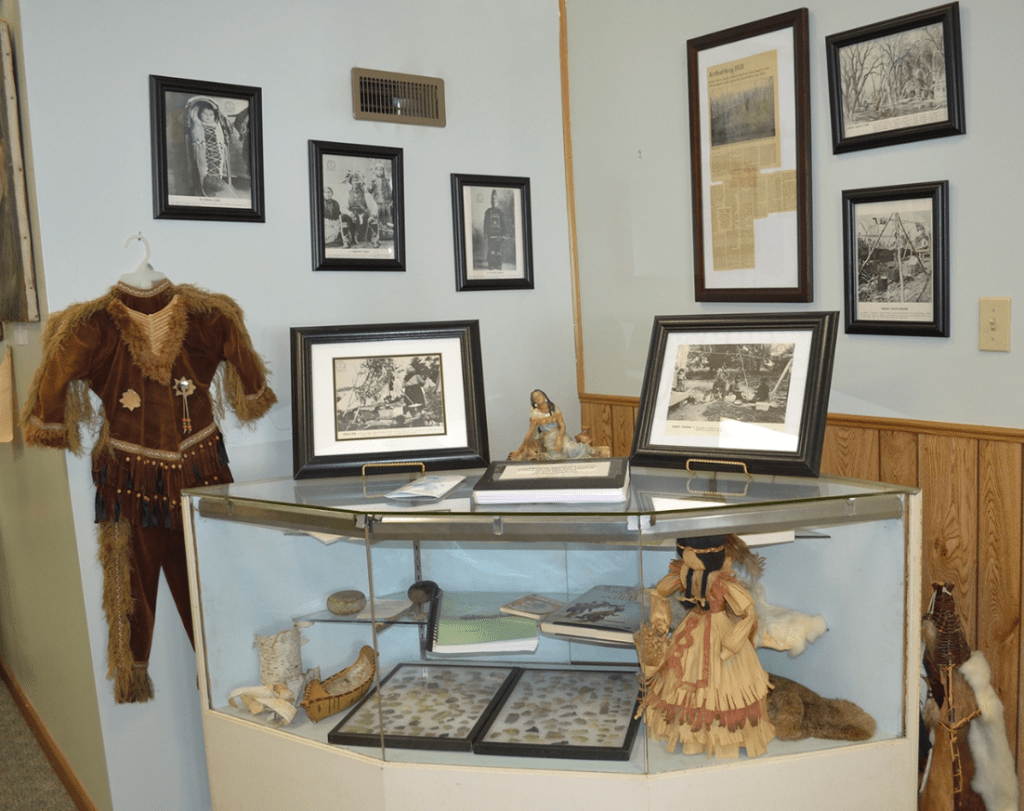
Native American History of Lyons and Muir Area
Prior to white settlers arriving in the 1830s, the Grand River Valley in Lyons and Muir provided fertile land and ample hunting, fishing, and gathering opportunities for its native settlers. In that time, the land was heavily wooded and game, including white tail deer and wild turkeys, were plentiful. The recorded history of this time…
-

Lyons/Muir Area Schools – It’s Graduation Time!
Prior to the 1840s, there were no public schools in Michigan. The first school to operate in the area was housed in a small log shanty constructed by H.V. Libhart, was located on Libhart Street on the west side of Lyons. Like many rural areas, Lyons and Muir public schools began as a collection of…
-
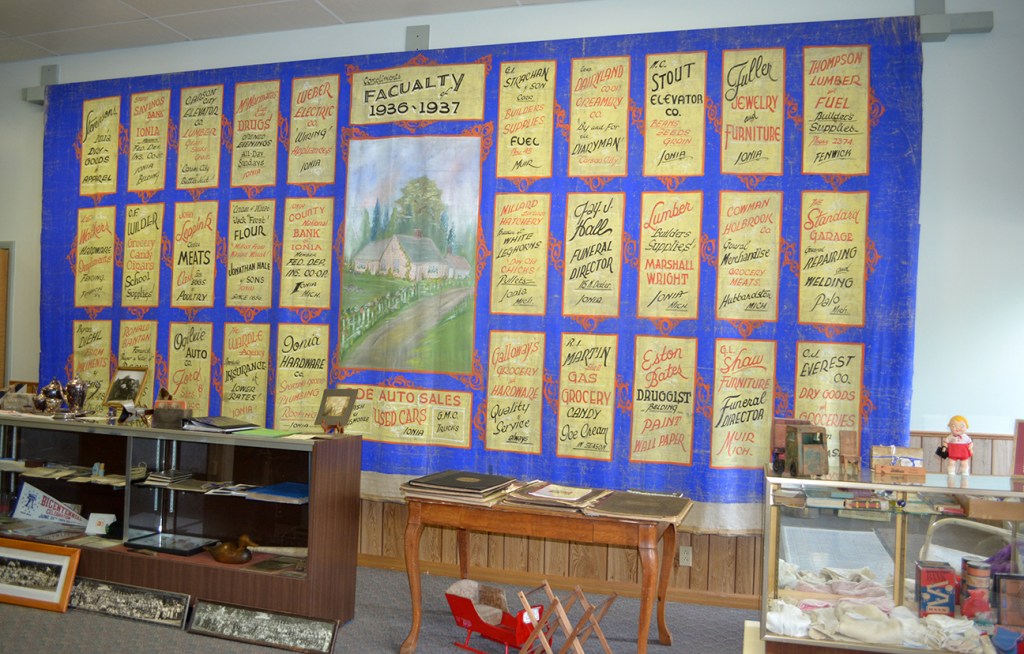
The Old Palo (MI) High School Stage Backdrop
Several years ago we received a call from the Palo Schools that the old Palo High School stage backdrop (photo above and below) was available and in jeopardy of being thrown out, since Palo had no museum or other adequate location to display it. The information provided was that it had been made and the…
-
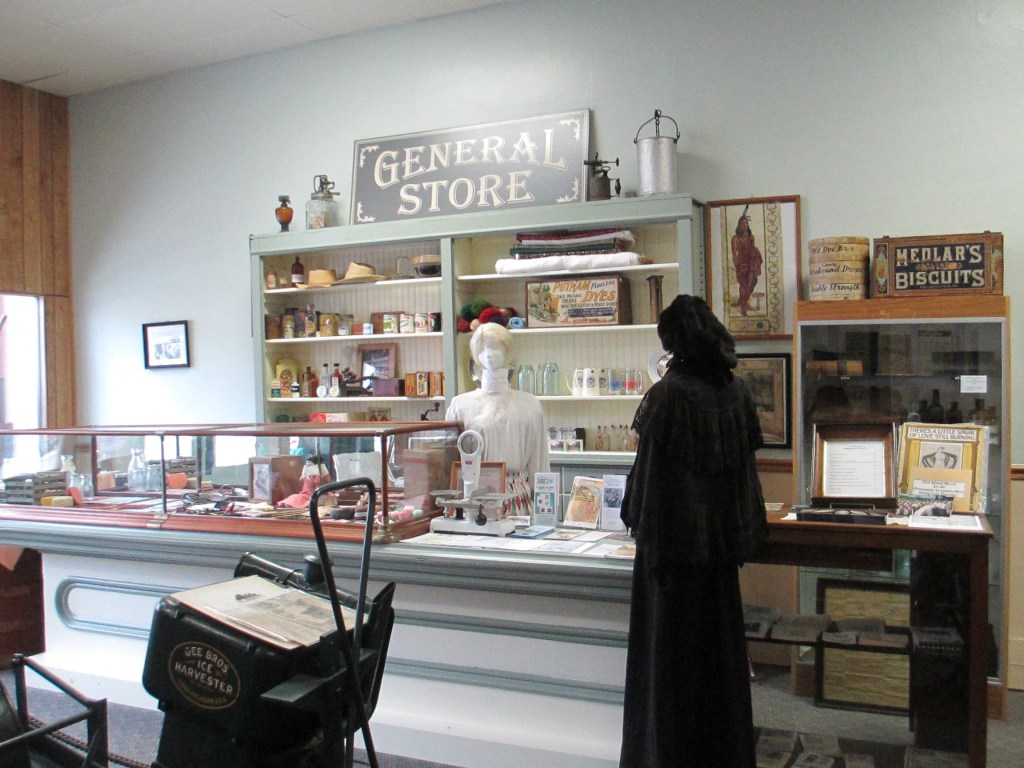
The Old Country Store
Country stores, or general stores, started out of necessity for the many pioneers who lived in rural areas of America from the late colonial period through the early 20th century. Many owners of these mercantile stores began as roving peddlers. Once they had accumulated enough capital and inventory, they often established permanent locations at advantageous…
-
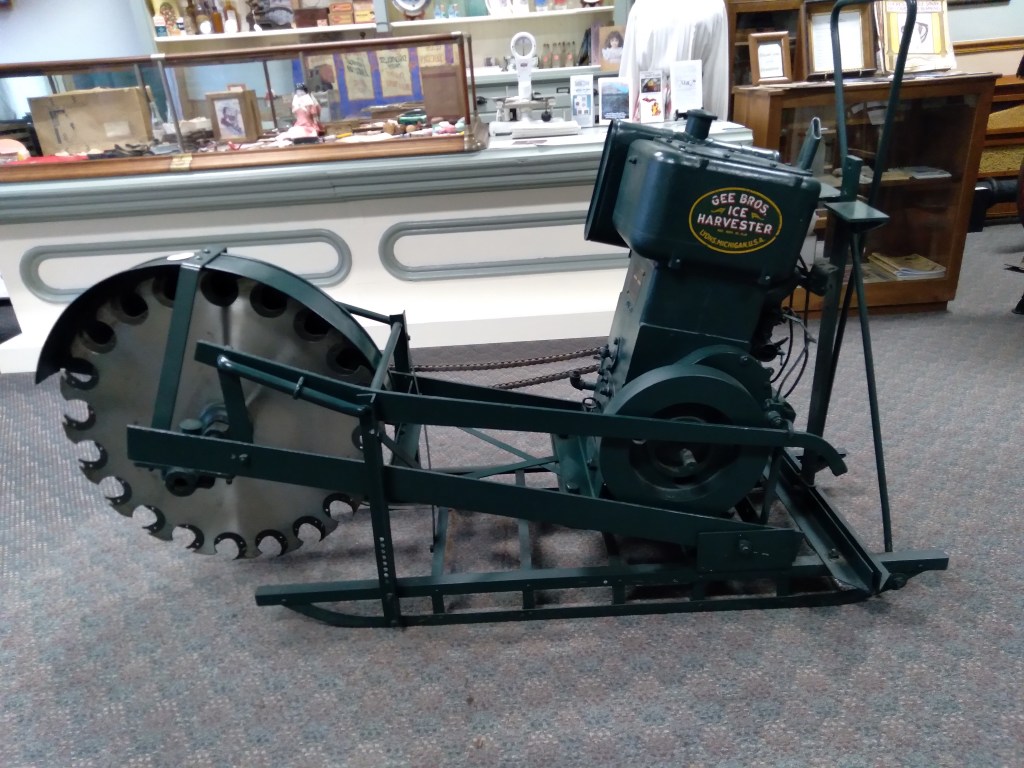
Gee Brothers Ice Harvester
In the early 1900’s (over 100 years ago), because of the newly developed availability of electrical power generated from the Grand River dam and power plant, numerous manufacturing businesses sprang up and thrived in the Lyons area. Among the more unique of these businesses was an ice harvester machine manufacturing operation, which originated from a…
-
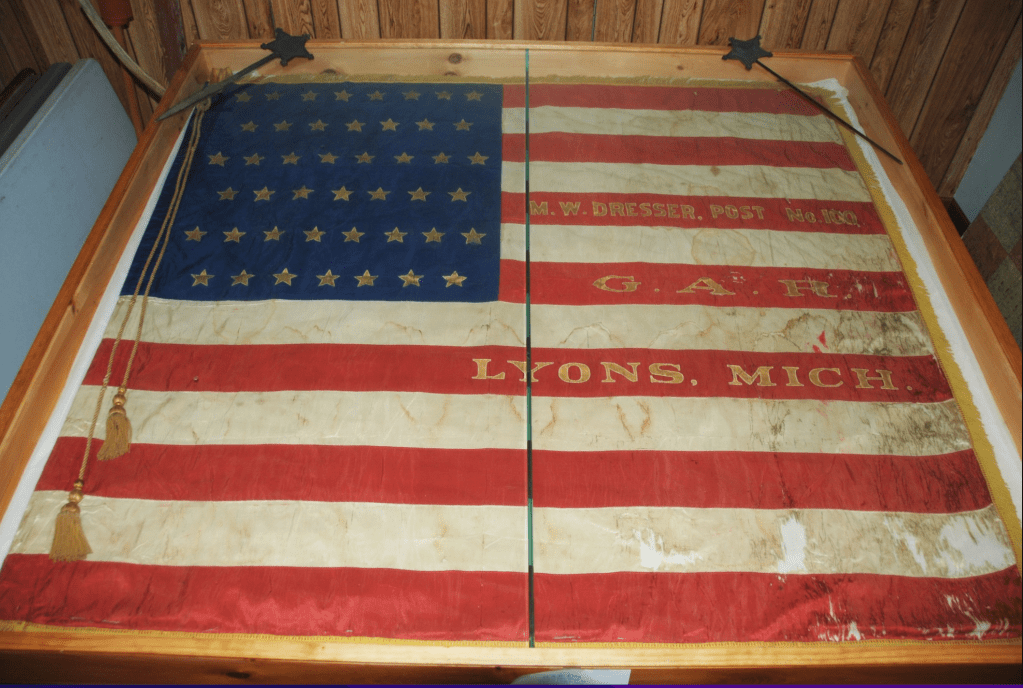
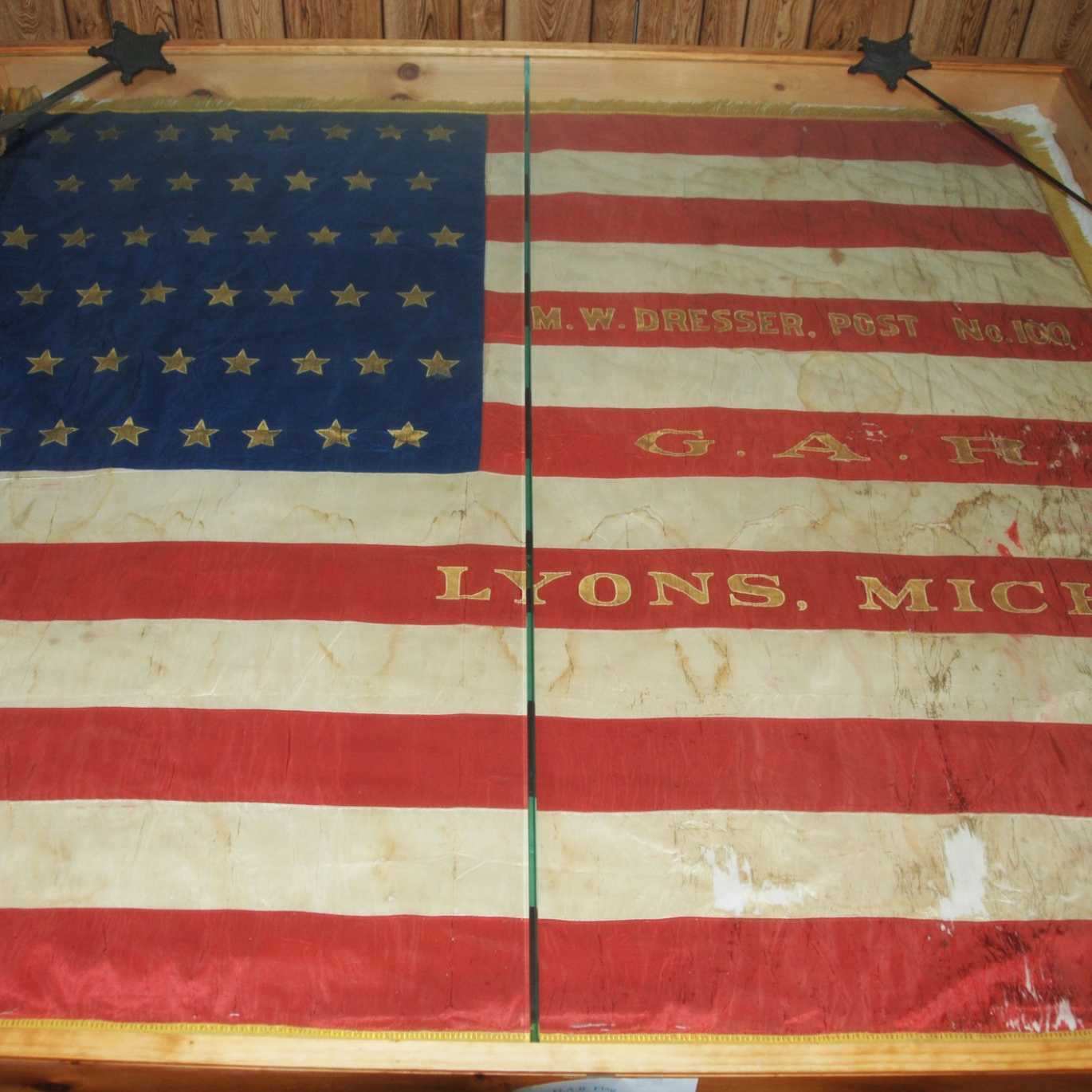
Information from the Past – Lyons G.A.R. & W.R.C.
The America Civil War, fought between the United States of America and the Confederate States of America, was the bloodiest war in our country’s history with approximately 2.75 million soldiers fighting, over 600,000 deaths (nearly 2% of the population) and many more wounded and disabled. While the primary disagreement was over slavery, other uncompromised differences…
 Lyons-Muir Historical Museum